📊 The numbers
1. Mould toxins turned up in more than half the coffee samples tested worldwide
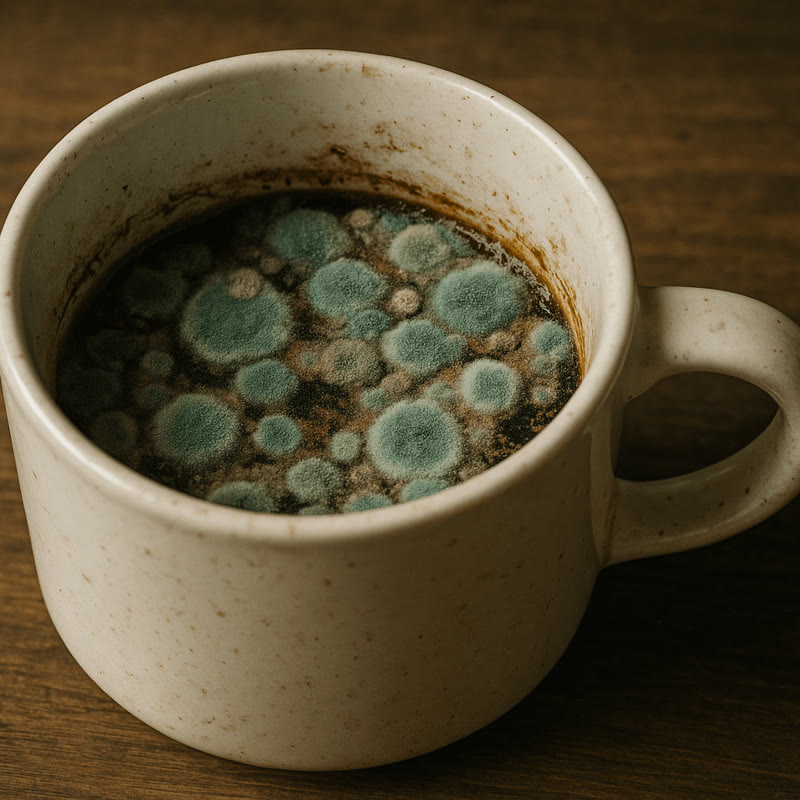
Two global reviews of thousands of samples put the figure at 53% and 58%. Coffee is a crop, and like grain and nuts, it can grow mould when it's warm and damp. You're not the only one questioning the coffee you drink.
🌧️ Farm to port
2. Slow drying, damp warehouses and long voyages give mould its chance
After picking, beans need to dry fast. If rain slows the drying, mould can start making its toxin. Then the beans wait in warehouses and cross oceans in steel containers, where warm, humid air can make them damp again. Each stop gives mould another opening before the coffee reaches your kitchen.
⚠️ Why it matters
3. Health experts take this toxin seriously, and so does UK law
The toxin is called ochratoxin A. The World Health Organization says its most notable effect is kidney damage in animal studies, and its cancer research agency lists it as a possible cause of cancer. UK law caps it in roasted coffee. But a limit only helps if someone checks your coffee against it.
🔍 Hidden
4. The truth about your coffee isn't printed on the bag
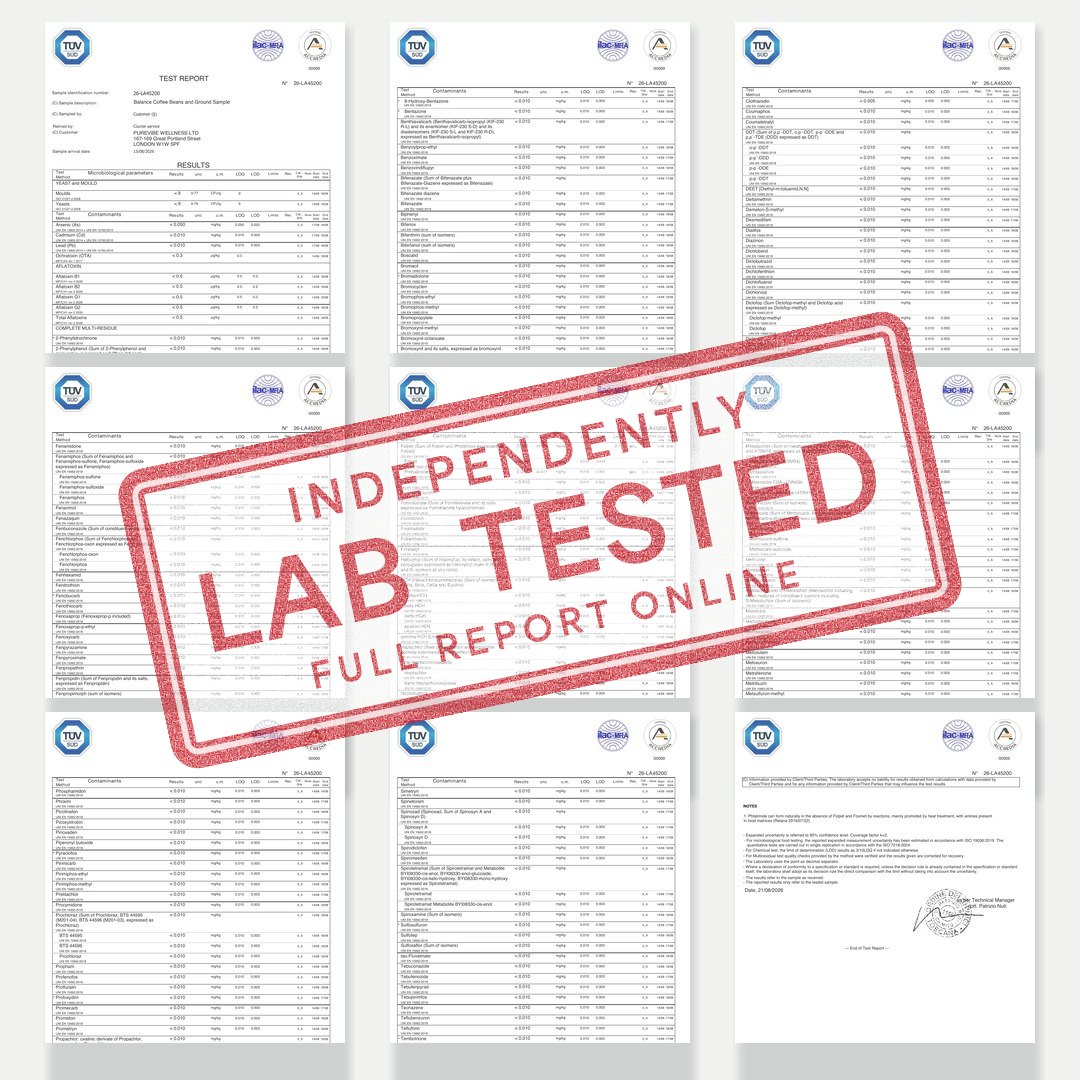
You can't see, smell or taste mould toxins, the bag won't tell you, and roasters don't have to test for them. Only an independently verified test shows what's really in your coffee. We give you that evidence in full, so you know exactly what you're drinking.
👉 View our lab test report🏷️ Common fixes
5. An organic label, a high price or a fresh roast doesn't mean anyone checked
An organic label covers how coffee is grown. A high price or a fresh roast date tells you about flavour. None of them means the finished beans were tested for mould toxins. And roasting destroys most of the toxin, but not all of it, so some can still reach your cup.
👉 See the new customer offer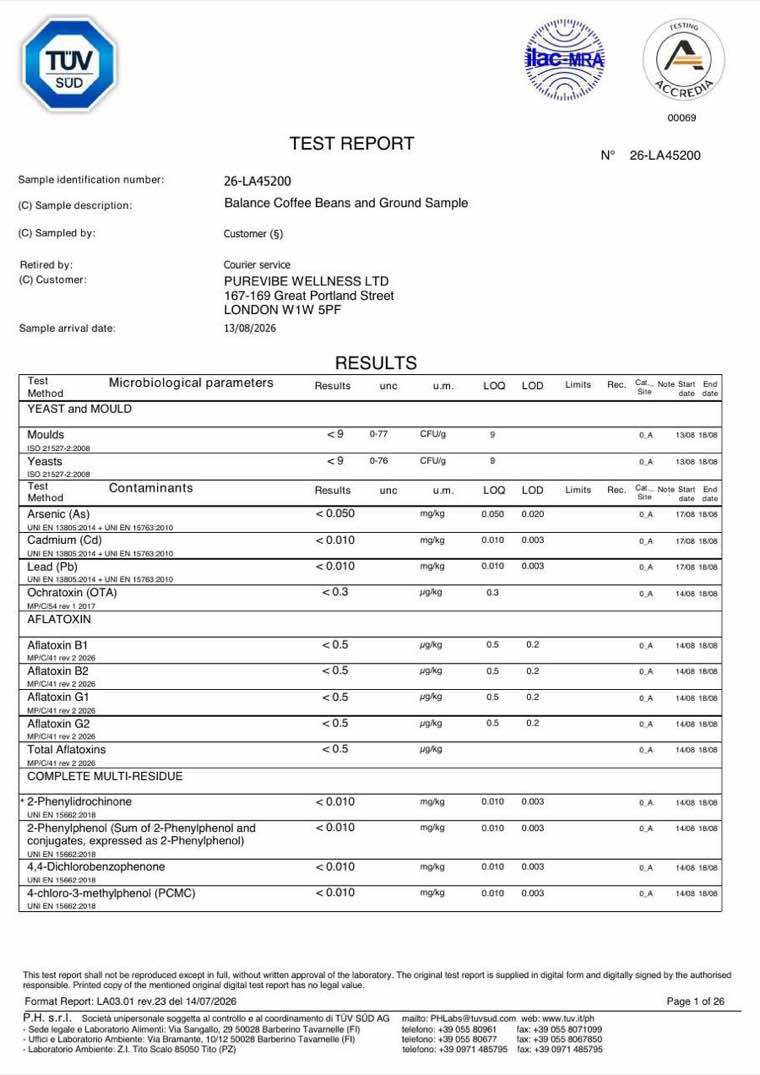
☕ From James
6. I spent 15 years in coffee and never asked what was in it
Mould where I was living knocked me sideways. I woke up tired, went to bed wired and couldn't think straight. Coffee wasn't the cause, but it left me with a question I couldn't shake: what's actually in my cup? [James to confirm]
⛰️ How we do it
7. High-altitude farms, climate-controlled storage and an independent lab
We buy speciality-grade coffee from high-altitude farms and keep the beans in climate-controlled storage until roasting, so damp doesn't get a second chance. An independent lab in the TÜV SÜD testing group then checked our coffee for mould, mould toxins, heavy metals and 600+ pesticides. Every result is published, so you can see what's in the coffee you brew.
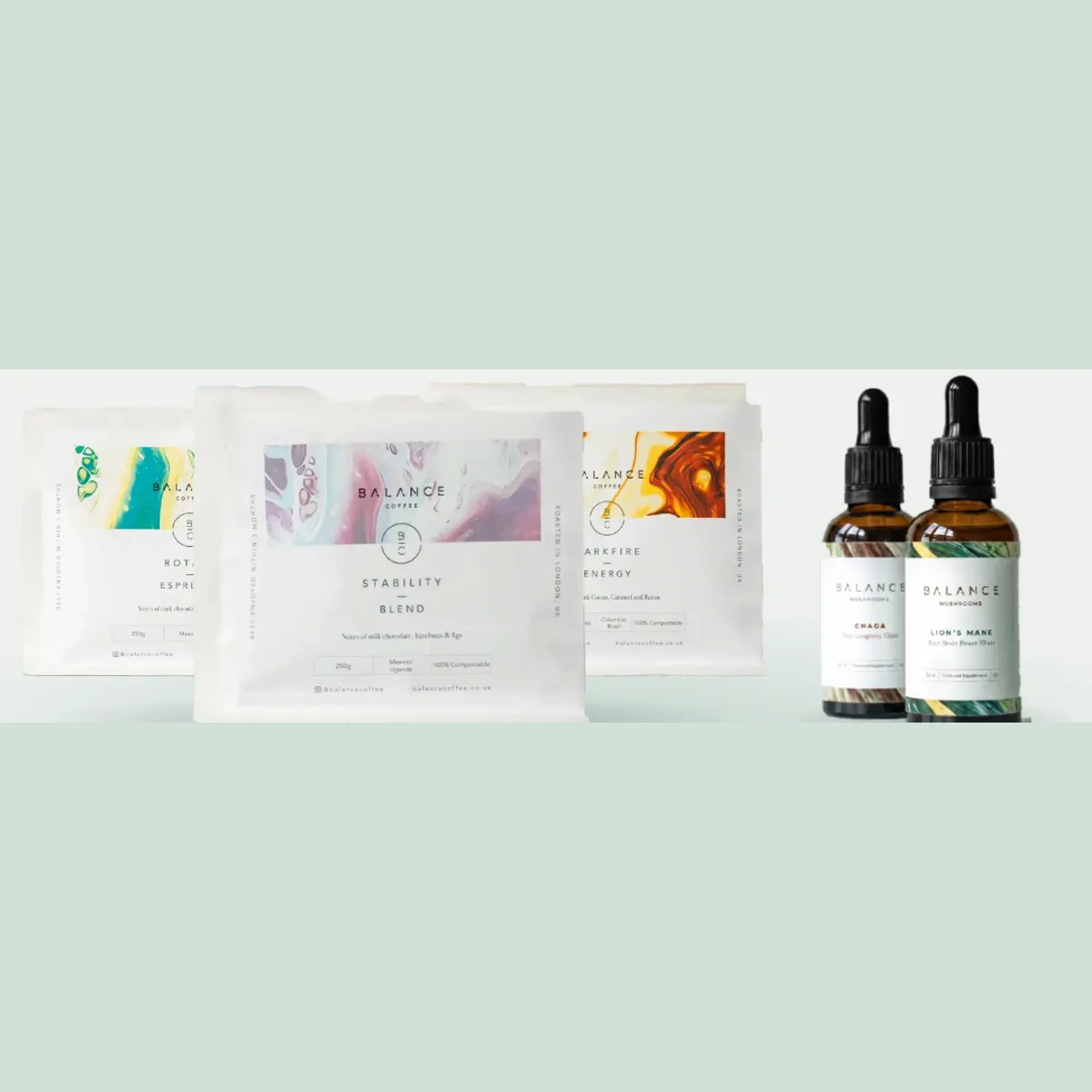
👉 Meet the coffee we tested
🧪 The results
8. The lab tested for mould toxins down to the tiniest amounts. Ours came back clean
Its test for the main mould toxin measures down to 0.3 parts per billion. One part per billion is about one second in 32 years, and our result was lower still. Four more mould toxins, and mould itself, also came in lower than the test can pick up. That's clean coffee, and it's what lands in your cup.
👉 See the full results📄 Beyond mould
9. Heavy metals and 600+ pesticides checked too, and every result is online
The same lab measured lead, arsenic and cadmium down to tens of parts per billion, and ours came in lower on all three. It screened for more than 600 pesticides, and every result sat within the legal limit. It's all in the 26-page report, so you never have to take our word for it.
👉 See every result☕ Flavour
10. Clean gets people to switch. Taste keeps them.
Demi-Jade bought her partner a filter machine and tried Balance because she "liked the thought of how clean Balance was". Her Trustpilot verdict: "Even me (the tea drinker of the house), absolutely love the coffee! It's SO smooth & tastes are subtle, but lovely."
👉 Taste it for yourself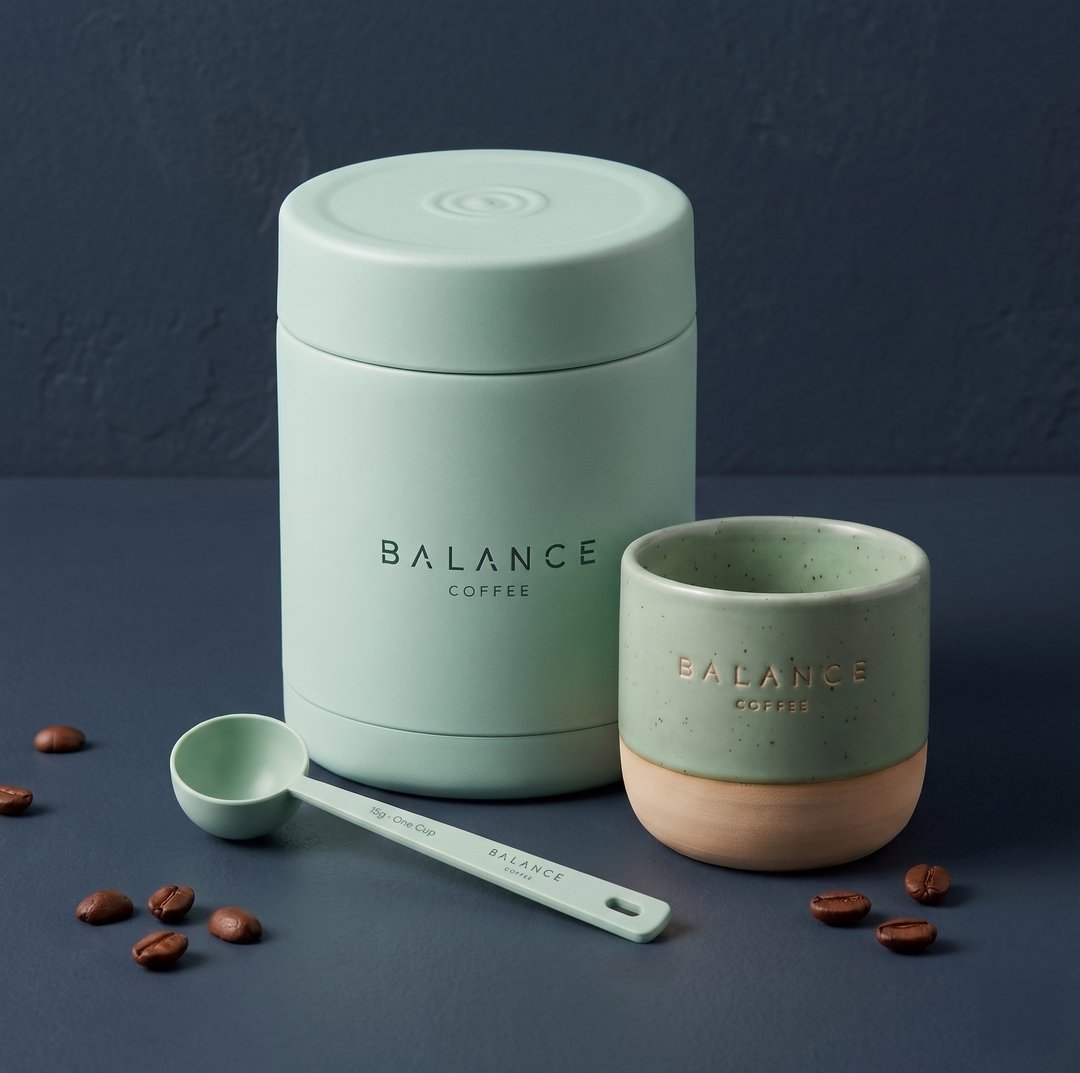
🛡️ Money back
11. 74p a cup, and 60 days to change your mind
The Clean Coffee Bundle is £36.99 for three 250g bags. At 15g a cup that's 50 cups, or 74p each. There's no subscription, UK delivery is free, and if it isn't for you within 60 days, we'll refund you in full.
👉 Start with 3 bags, £36.99